Explore our software and research code on GitHub. Repositories accompanying published manuscripts are listed with their paper references below. You can also find repository links alongside the associated papers on our publications page.
Explore the related tumor microbiome studies on the exORIEN Consortium page.
Tools and packages
mt.surv
Rank microbial abundances or gene expression features by their association with survival across multiple thresholds.
tmesig
Calculate tumor microenvironment gene expression signatures, including hypoxia and cell phenotype scores.
microsig
Calculate microbial signature scores from abundance data and lists of enriched or depleted microbes, including BugSigDB signatures.
exotic
Estimate low-abundance microbes in host-dominated sequencing data using processing and contamination-filtering functions.
GitHub · Installation · User manual · Associated paper and analyses
mec-tx
Encode and compare oncology treatment timelines, cluster patients by treatment patterns, and analyze survival in real-world cohorts.
mhealth-iit
Support participant consent and Fitbit data sharing for academic clinical trials with an R Shiny app.
trial-end
Estimate trial accrual and completion dates from recruitment progress, target enrollment, and study duration.
Code associated with submitted manuscripts
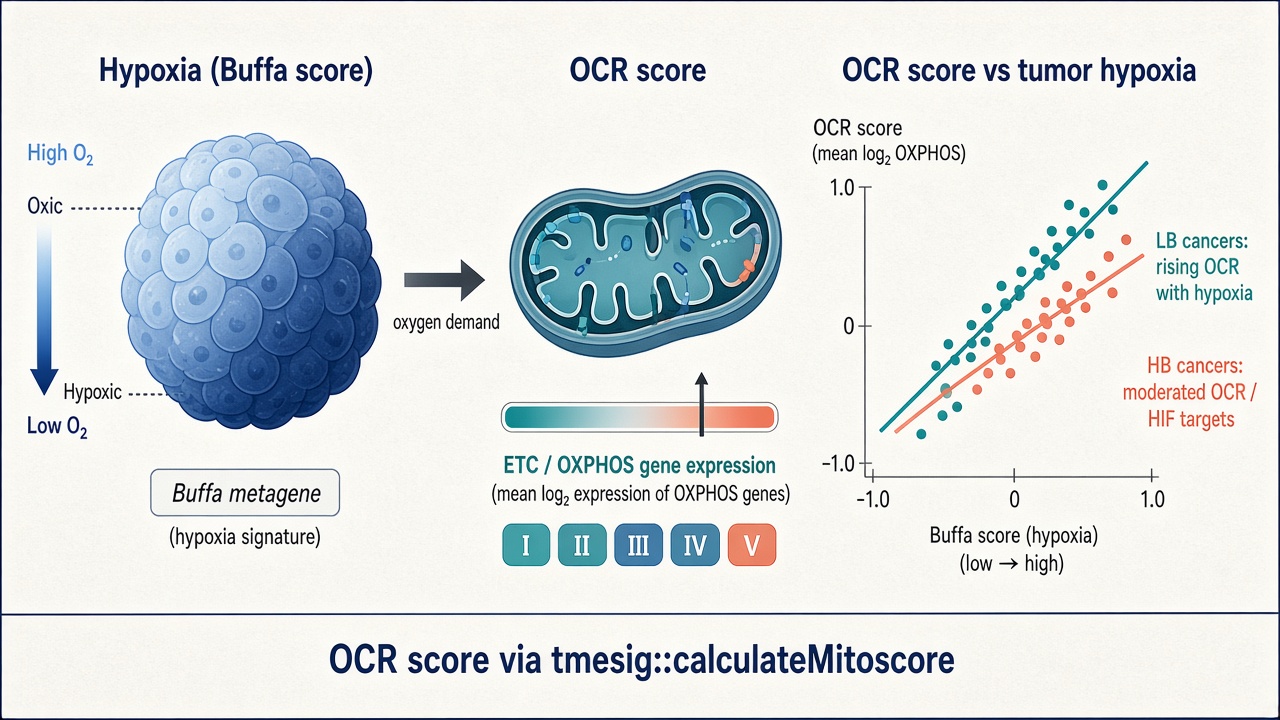
OCRscore
Analysis code for the oxygen consumption / OXPHOS transcriptional score and its relationship to lung tumor hypoxia and treatment resistance. Calculate the score using the tmesig package; this repository contains the manuscript figure scripts and supporting data.
GitHub · Manuscript analysis guide
Benej M et al. (2026). Mitochondrial Oxygen Consumption Drives Lung Tumor Hypoxia and Resistance to Therapy via Copy Number Alteration in Mitochondrial Electron Transport Subunit NDUFB5. bioRxiv. Preprint.
Graphical abstract

bewell
Code and processed data for the BE WELL trial (Berry nEctar Working to End Lung cancer), a phase I/II placebo-controlled study of black raspberry nectar in long-term smokers at high risk for lung cancer.
GitHub · v1.0.0 · Zenodo · ClinicalTrials.gov: NCT04267874
Bittoni MA, Jahanbakhshi S, et al. (2026). A phase I/II placebo-controlled trial of black raspberry nectar for cancer prevention in long-term smokers at high risk for developing lung cancer (NCT04267874). Manuscript submitted.
The companion mouse-model analyses are in bewell-mice.
bewell-mice
Code and figure panels asking whether BE WELL microbiome changes, including Blautia obeum, improve anti-PD-1 response after fecal transfer into tumor-bearing mice.
GitHub · v1.0.0 · Companion trial repository
Jahanbakhshi S, Bibi A, et al. (2026). Berry Supplement-Modified Human Microbiome Improves Immunotherapy Response in Mouse Models. Manuscript submitted. Preprint.
adjing
Scripts to regenerate analyses and figures for pretreatment T-cell transcriptional signatures that predict immunotherapy outcomes in adjuvant and metastatic melanoma.
Lepola N, Dravillas C, et al. (2026). Pre-treatment T-cell Transcriptional Signatures Predict Immunotherapy Outcomes in Melanoma. Manuscript submitted. Preprint. Research Square.
mitox
Manuscript analyses of microbiome biomarkers, immunotherapy response, and immune-related adverse events from the melanoma clinical trial. The repository also includes the original trial power calculations and study planning code. Manuscript submitted.
Code associated with published manuscripts
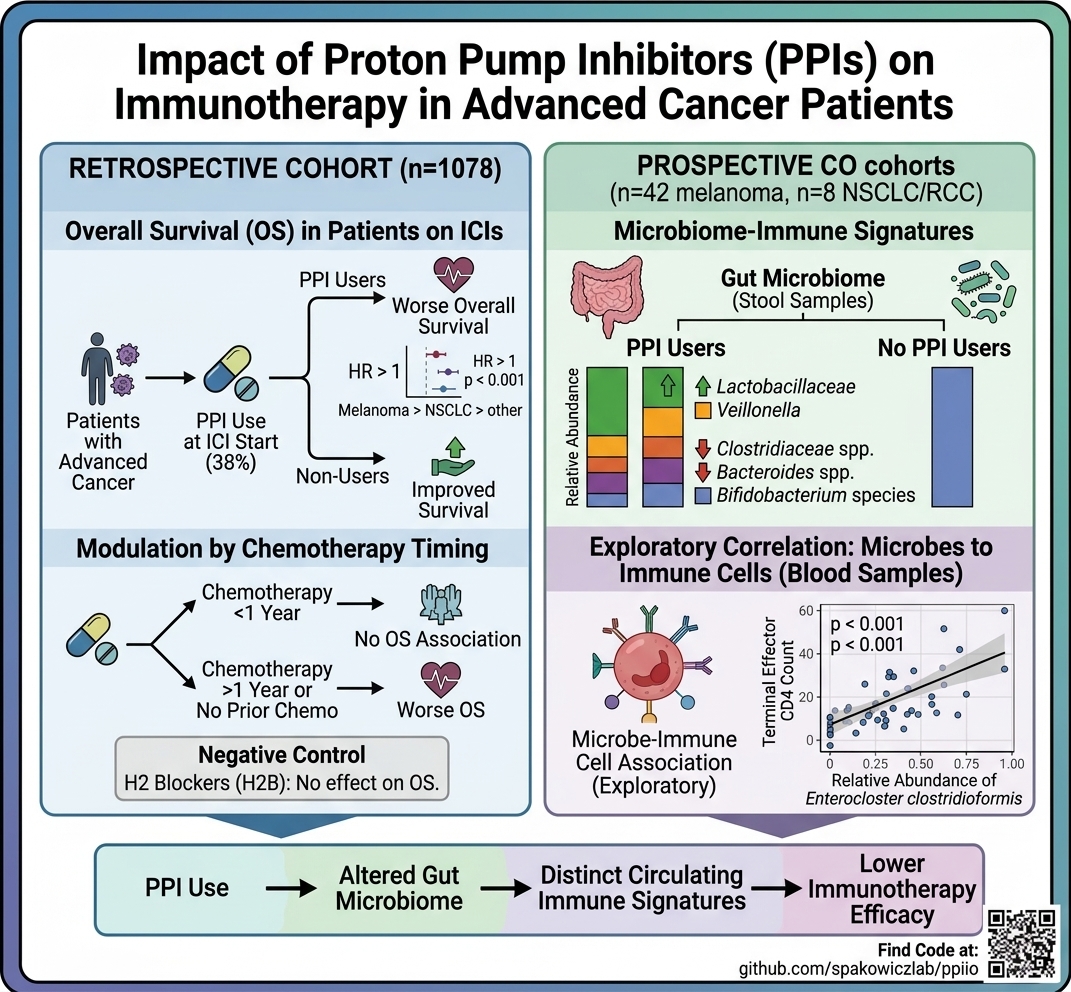
ppiio
Code and processed data for analyses of proton pump inhibitor use, prior chemotherapy, and immunotherapy outcomes, including gut microbiome and circulating immune cell signatures.
Petouhoff A et al. (2026). Impact of proton pump inhibitors on immunotherapy is modulated by prior chemotherapy and linked to gut microbiome–immune cell signatures. Cancer Immunology, Immunotherapy, 75, 98.
Graphical abstract

Breast tumor microbiome and antitumor immunity
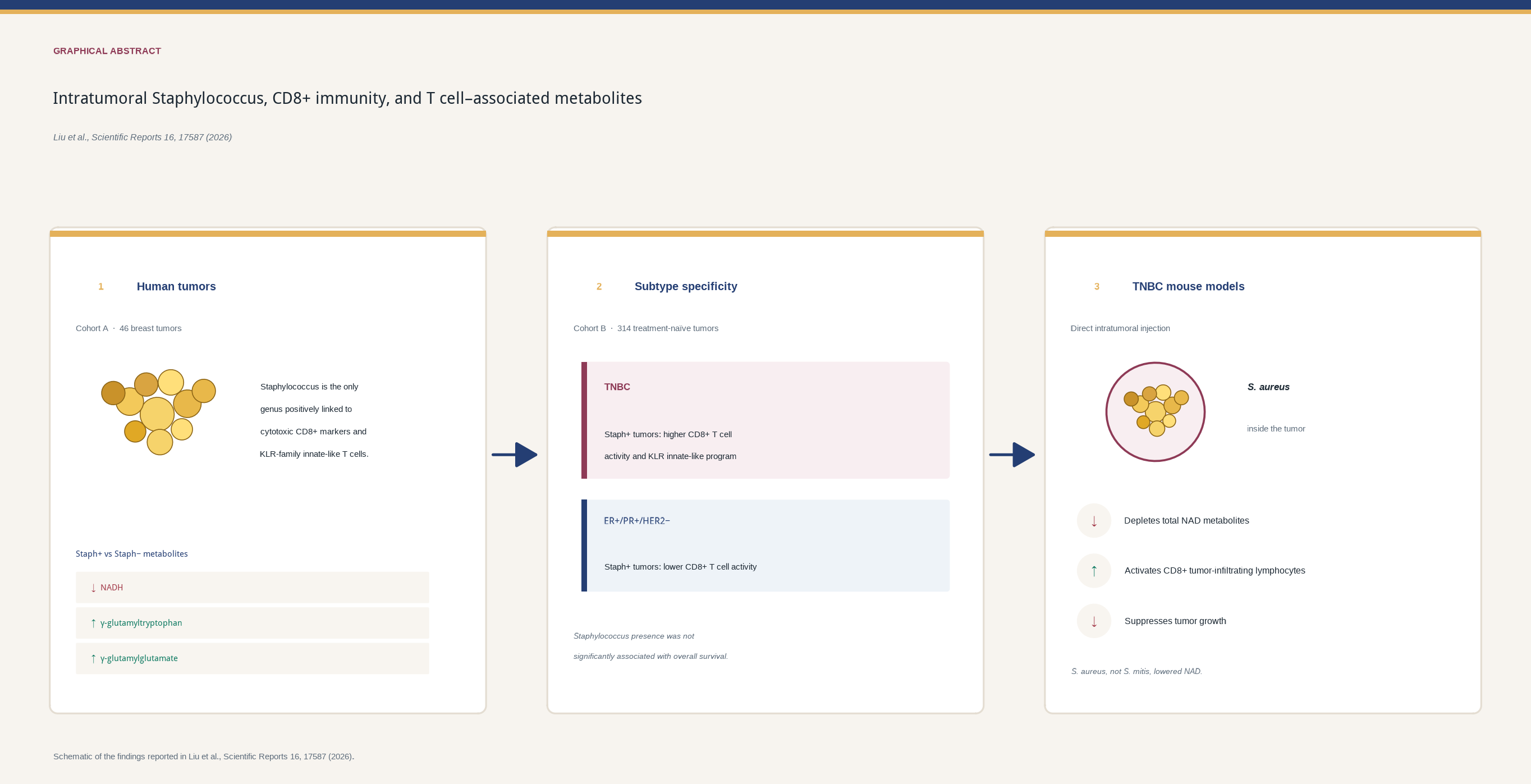
staph-brca
Liu CC et al. (2026). Breast tumor microbiome regulates anti-tumor immunity and T cell-associated metabolites. Scientific Reports.
Graphical abstract

Ketogenic diets and cancer immunotherapy
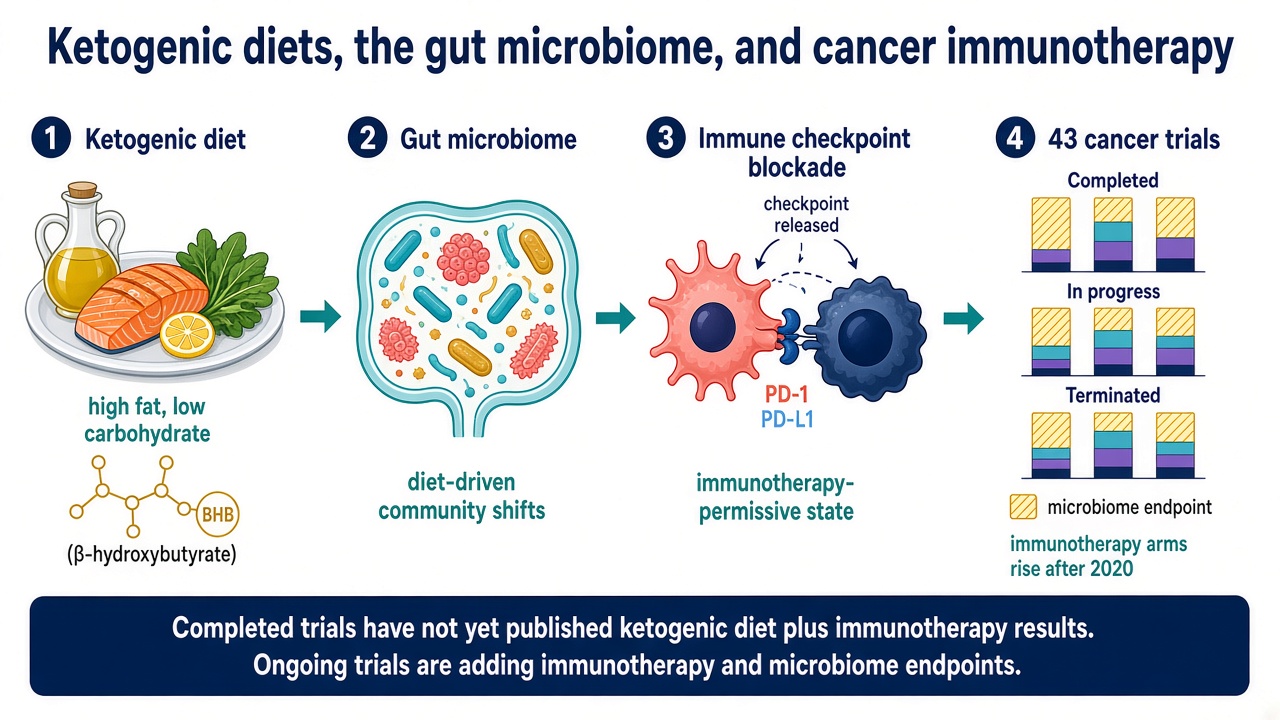
keto-rev
Bukovac J et al. (2026). How the Ketogenic Diet Shapes the Microbiome to Influence Cancer Immunotherapy Outcomes: An Exploration of Clinical Trials and Their Results. Nutrition and Cancer, 367–396.
Graphical abstract

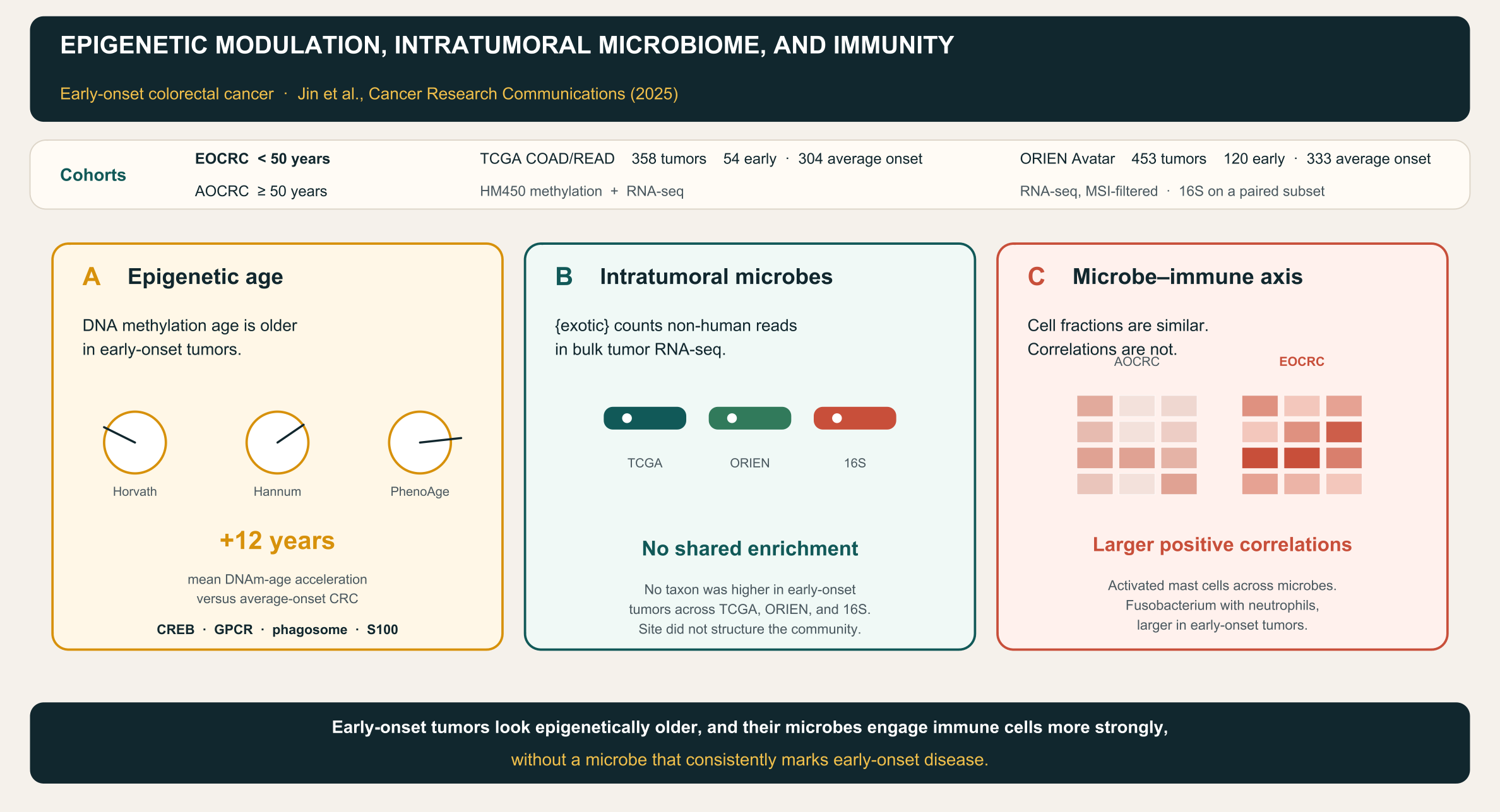
Early-onset colorectal cancer
exorien-exogieo
Jin N et al. (2025). Epigenetic Modulation, Intratumoral Microbiome, and Immunity in Early-Onset Colorectal Cancer. Cancer Research Communications, 5(11), 1985–1997.
Graphical abstract

Melanoma microbiome and immunotherapy
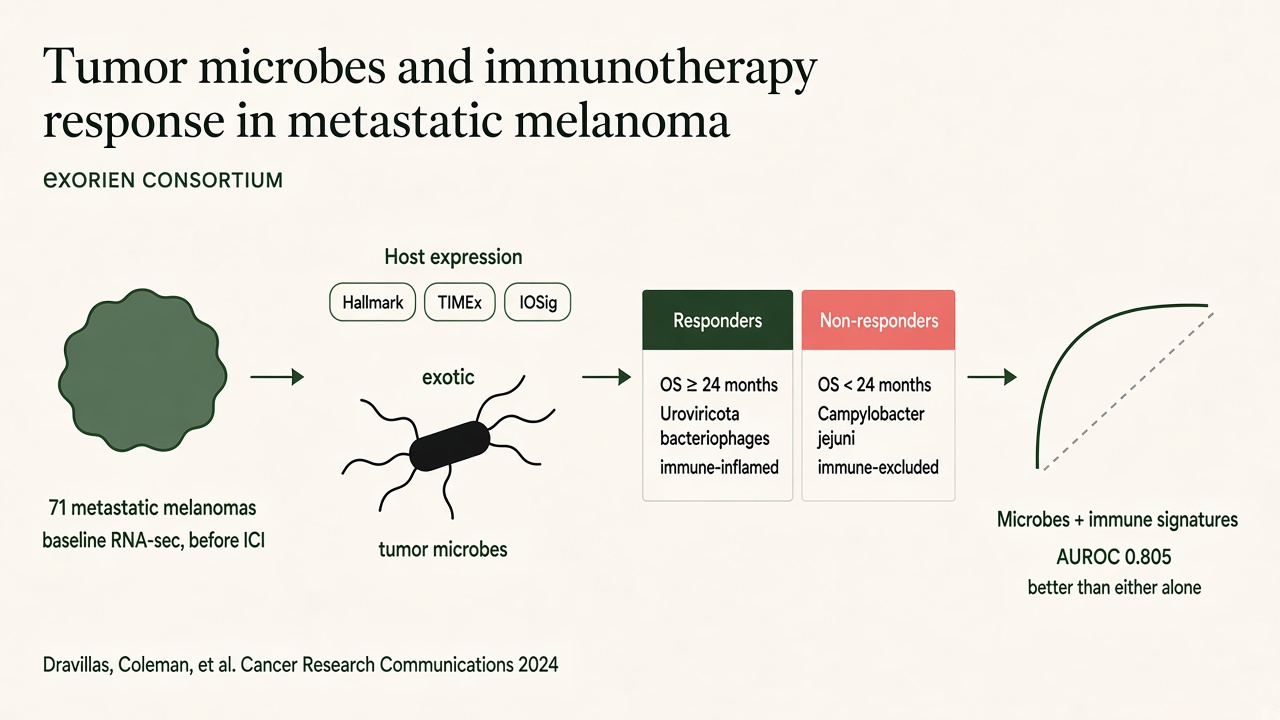
exorien-melio
exorien-melio — Tumor microbiome analyses and figures for the paper below.
Related publication:
Dravillas CE et al. (2024). The Tumor Microbiome as a Predictor of Outcomes in Patients with Metastatic Melanoma Treated with Immune Checkpoint Inhibitors. Cancer Research Communications, 4(8), 1978–1990.
Graphical abstract

Tumor hypoxia and radiation response
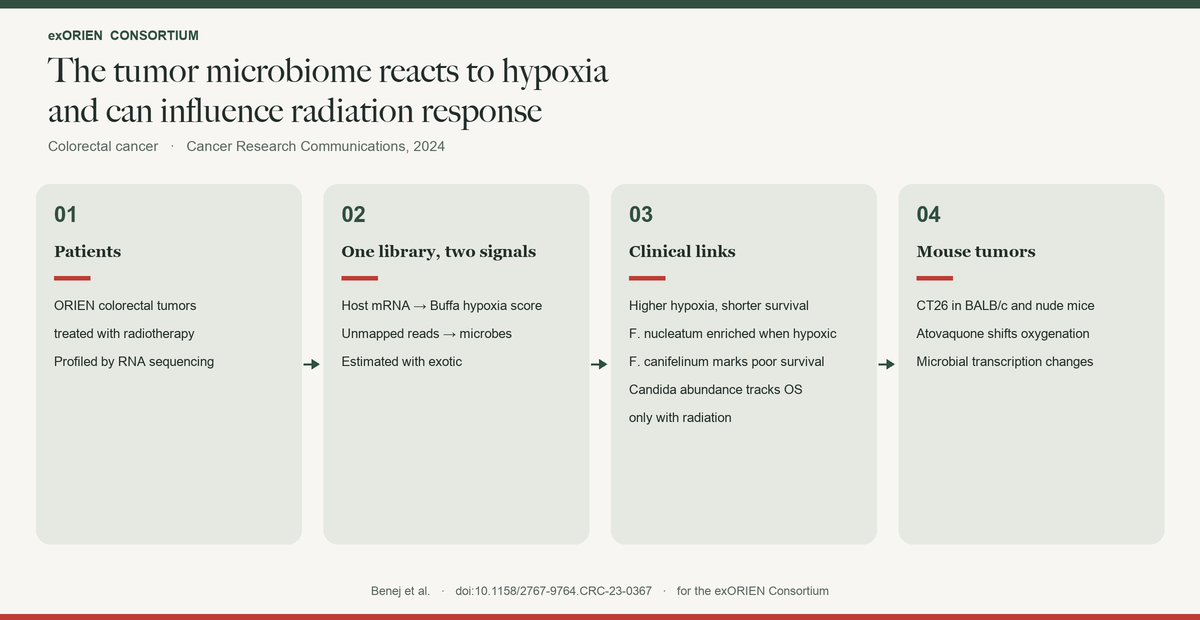
exorien-recrad
Benej M et al. (2024). The Tumor Microbiome Reacts to Hypoxia and Can Influence Response to Radiation Treatment in Colorectal Cancer. Cancer Research Communications, 4(7), 1690–1701.
Graphical abstract

Microbiomes and adipose tissue inflammation
Shantaram D et al. (2024). Obesity-associated microbiomes instigate visceral adipose tissue inflammation by recruitment of distinct neutrophils. Nature Communications, 15, 5434.
Functional health in older adults with lung cancer
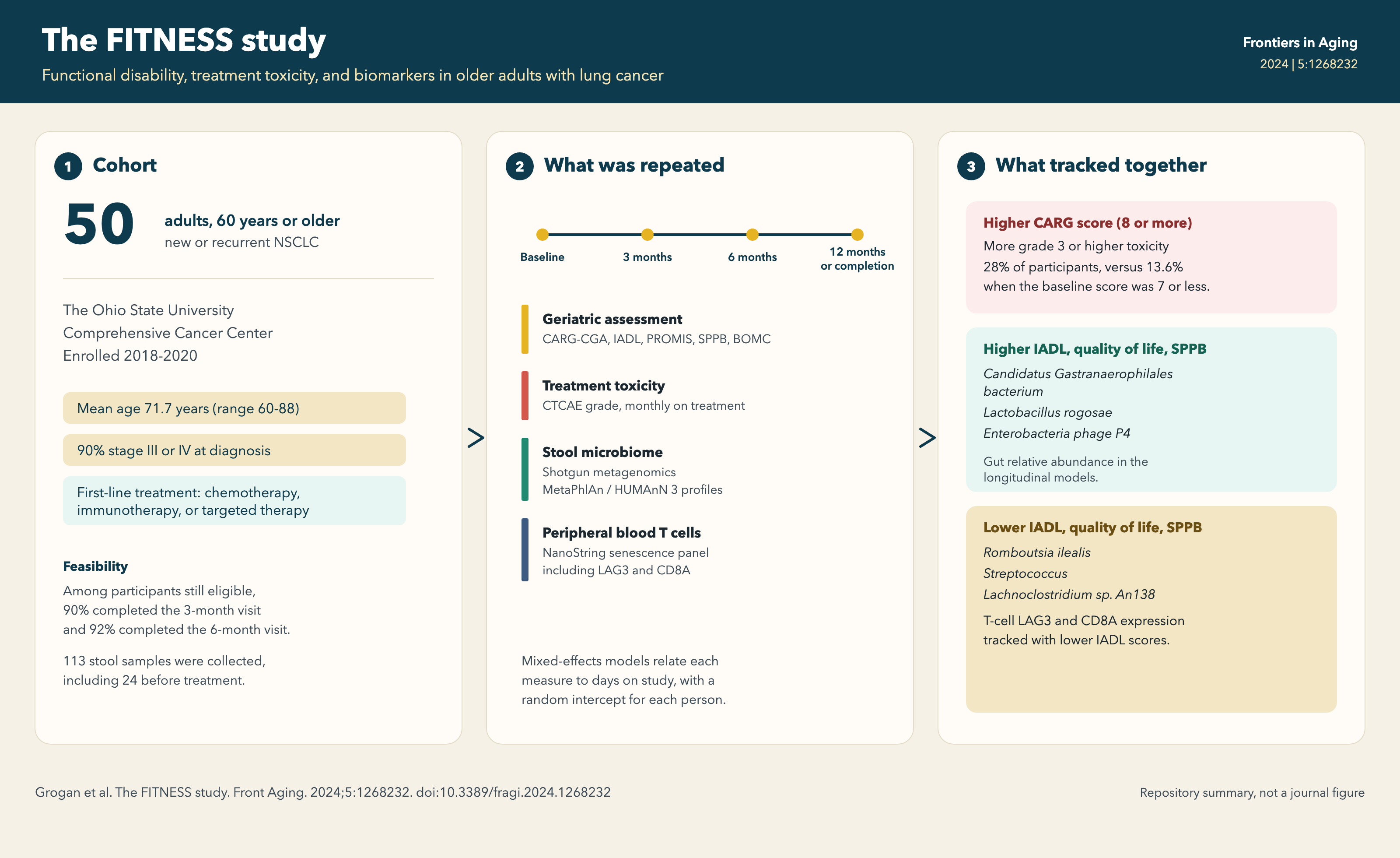
fitness
Grogan M et al. (2024). The FITNESS study: longitudinal geriatric assessment, treatment toxicity, and biospecimen collection to assess functional disability among older adults with lung cancer. Frontiers in Aging, 5, 1268232.
Graphical abstract

Estimating microbes in tumor RNA-seq data
exotic-manuscript — Analysis scripts accompanying the exotic tool described above.
Hoyd R et al. (2023). Exogenous Sequences in Tumors and Immune Cells (Exotic): A Tool for Estimating the Microbe Abundances in Tumor RNA-seq Data. Cancer Research Communications.
Comorbidities and immunotherapy outcomes
Johns AC et al. (2023). Association of medical comorbidities and cardiovascular disease with toxicity and survival among patients receiving checkpoint inhibitor immunotherapy. Cancer Immunology, Immunotherapy, 72(7), 2005–2013.
Aging microbiome and immunotherapy
mageio
Spakowicz D et al. (2021). The aging microbiome and response to immunotherapy: Considerations for the treatment of older adults with cancer. Journal of Geriatric Oncology, 12(6), 985–989.
Concomitant medications and immunotherapy
co-med-io
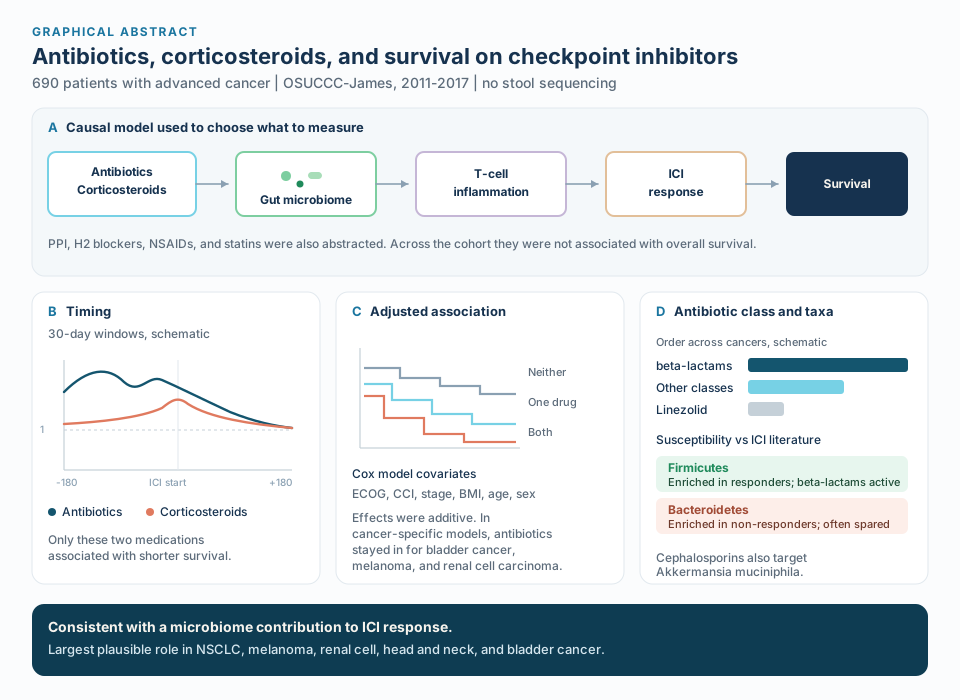
Code for causal models and analyses of concomitant medications, the microbiome, and survival during immune checkpoint inhibitor treatment.
Spakowicz D et al. (2020). Inferring the role of the microbiome on survival in patients treated with immune checkpoint inhibitors: causal modeling, timing, and classes of concomitant medications. BMC Cancer, 20, 383.
Graphical abstract

Microbe–gene relationships in asthma
Spakowicz D et al. (2020). Approaches for integrating heterogeneous RNA-seq data reveal cross-talk between microbes and genes in asthmatic patients. Genome Biology, 21, 150.
Neutrophil-to-lymphocyte ratio during immunotherapy
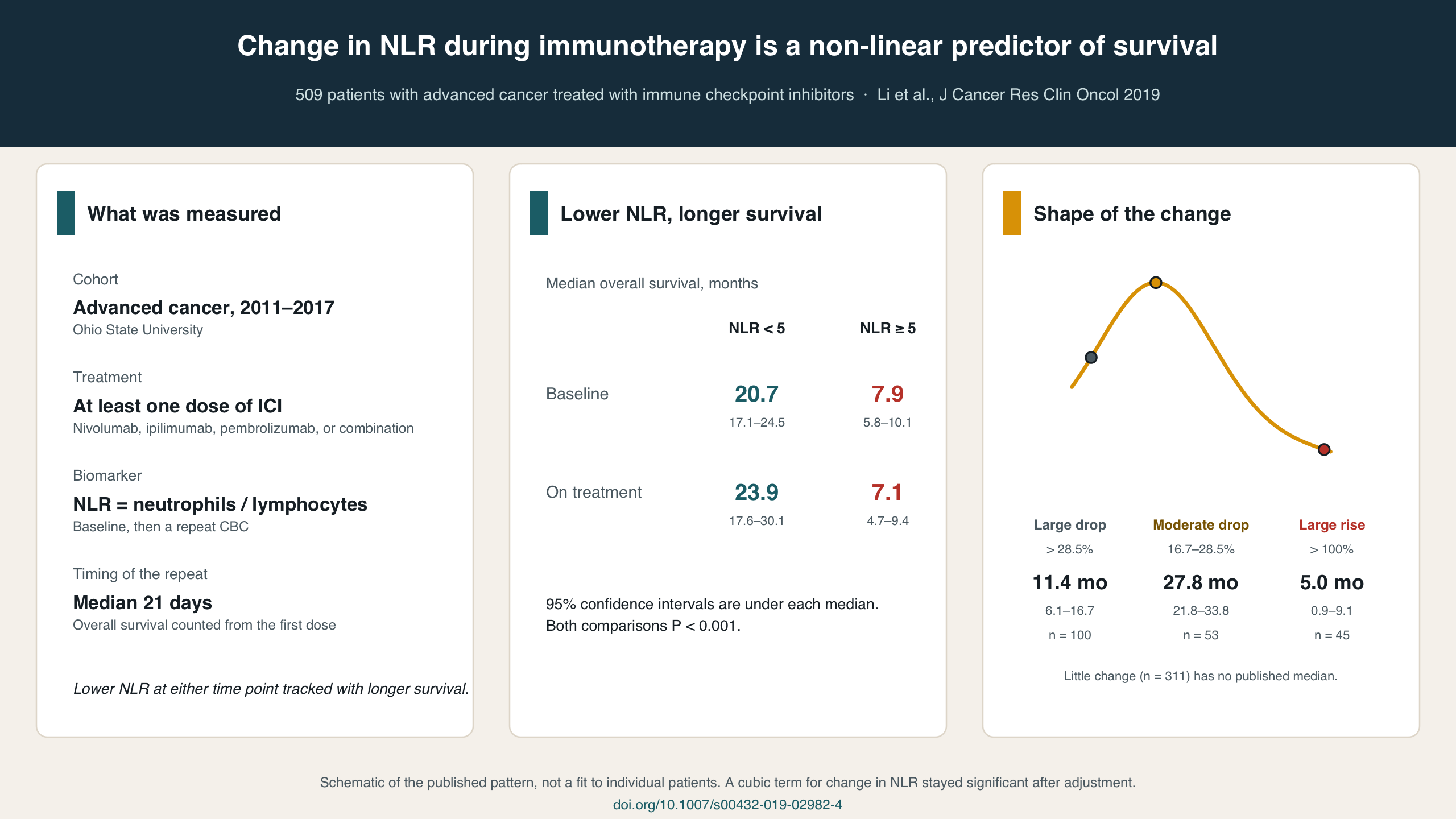
nlr-io
Li M et al. (2019). Change in neutrophil to lymphocyte ratio during immunotherapy treatment is a non-linear predictor of patient outcomes in advanced cancers. Journal of Cancer Research and Clinical Oncology, 145(10), 2541–2546.
Graphical abstract

Code associated with conference abstracts
Lung tumor microbes and immune infiltration
Hoyd R et al. (2020). Intratumoral microbes correlate with tumor-infiltrating lymphocytes in lung cancer RNAseq. Cancer Research, 80(8 Supplement), B30. Conference abstract.
Microbiome and hypoxia in head and neck cancer
Dhakal A et al. (2022). Association of Tumor Microbiome and Hypoxia Expression Signatures in Different Anatomic Subsites of Head and Neck Cancer. International Journal of Radiation Oncology, Biology, Physics, 114(3 Supplement), e529–e530. Conference abstract.
Other research and study code
- diacomp20 — Code supporting studies of diabetic complications in preclinical models.
- mimic — Code studying lifestyle interventions and gut microbiome effects on cancer immunotherapy in mice.
- modbio — Power calculations, data processing, and analyses for the modbio companion to the INSIGNA clinical trial.
- nktcan — Analyses and calculations studying NKT cells in cancer.